
Alaska isn’t just another destination to check off your bucket list—it’s an entirely different universe where mountains scrape the clouds, bears outnumber tourists, and the Northern Lights perform a cosmic dance above your head. Whether you’re a hardcore adventure seeker or someone who considers a nature walk “roughing it,” Alaska has something to make your heart skip a beat.
Why Alaska Should Be Your Next Adventure
Let’s be honest: Alaska has the coolest nickname of any state. “The Last Frontier.” It sounds like something from an epic movie trailer, and here’s the thing—it actually lives up to the hype. The state is home to more than half of America’s national parkland, contains 17 of the 20 tallest mountain peaks in the U.S., and boasts over 100,000 glaciers. That’s not just impressive—that’s otherworldly.
What makes Alaska truly special is its raw, untamed wilderness combined with surprisingly welcoming communities. You can spot moose casually strolling through Anchorage’s downtown streets, watch grizzly bears catch salmon with their bare paws, and paddle through fjords where glaciers are still sculpting the landscape.
When to Visit: Timing Your Alaskan Adventure
Summer is the golden season. Hands down, the best time to visit Alaska runs from May 10 to September 15, with peak season hitting between June 15 and July 15. During this window, you’ll experience temperatures ranging from the 60s to low 70s Fahrenheit, 16 to 24 hours of daylight (yes, you read that right), and the most active wildlife viewing opportunities. June is technically the driest month and offers nearly continuous daylight—the summer solstice on June 21 brings the longest day of the year.
If you’re an early planner, May offers a hidden advantage: lower prices. Hotels and tours often knock 10–25% off their rates during this shoulder season. The trade-off? Fewer tour options and slightly cooler weather.
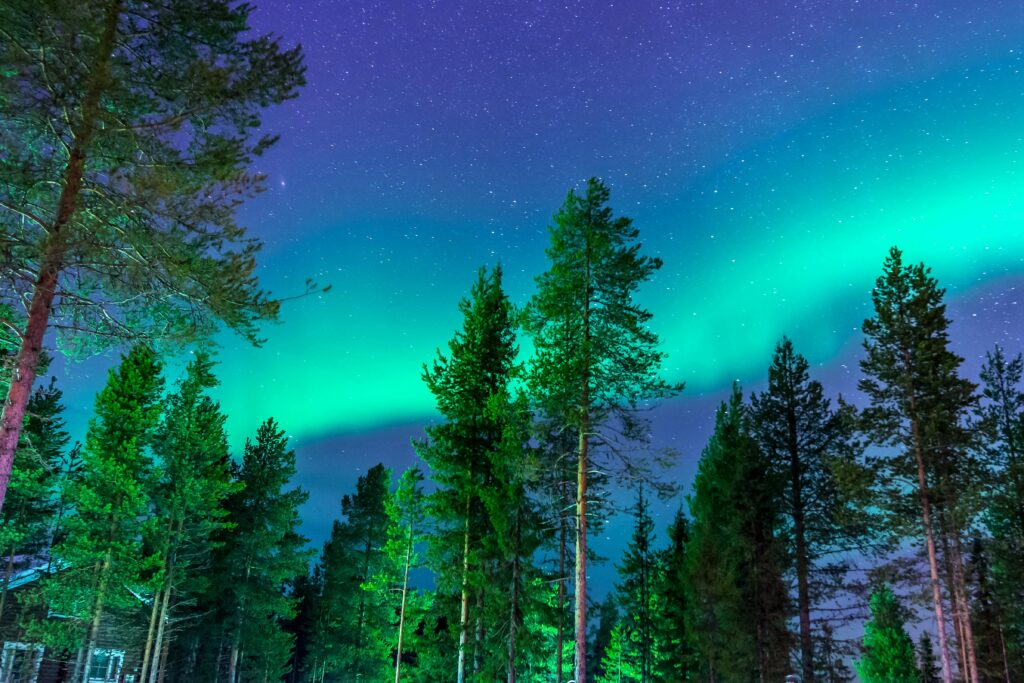
For Northern Lights hunters, patience is key. The aurora borealis doesn’t really shine during summer because it stays too light out. Instead, plan a winter trip between February and March for the best combination of dark skies and reasonable daylight hours. August and September also offer glimpses of the Northern Lights while still maintaining longer days than deep winter.
The Must-See Experiences
Denali National Park: North America’s Tallest Peak
Denali (formerly known as Mount McKinley) is North America’s tallest peak at 20,310 feet, and it’s just the centerpiece of an absolutely massive park. The Denali Park Road stretches 92 miles through untouched wilderness where grizzly bears, moose, caribou, and wolves roam freely.planetware+1
Here’s the catch: your own vehicle can only drive the first 15 miles. To venture deeper, you’ll need to book a shuttle or bus tour available only from mid-May through mid-September. Book in advance—spots fill up quickly. If Denali’s park road feels too crowded, try the nearby Denali ATV tours for a more off-the-beaten-path experience.
Kenai Fjords National Park: Glaciers Meet the Sea
Located just two hours south of Anchorage, Kenai Fjords is where towering fjords, tidewater glaciers, and mind-blowing wildlife converge. The best way to explore is via boat tour departing from Seward—aim for the longer 6-8 hour cruises to get close enough to watch glaciers calve (that’s when chunks of ice dramatically plummet into the ocean).
You can expect to see sea otters, whales, sea lions, dolphins, puffins, and bald eagles. The kayaking combo tours are phenomenal; you’ll paddle right near actively calving glaciers while the sound of breaking ice echoes around you.
Glacier Kayaking and Hiking: Get Your Hands Dirty
Want to feel like an explorer? Homer-based glacier lake kayaking and hiking tours take you on scenic boat rides to Kachemak Bay State Park before hiking through three distinct ecosystems (marine environment, coastal forest, and glacial moraine). The 7-8 hour experience includes 3 hours of hiking and 2-3 hours of paddling, all for around $229 per person.
Prices for glacier kayaking typically range from $89 to $375 per person depending on the experience and location.
Bear Viewing: Your Chance to See Alaska’s Most Iconic Resident
Here’s where things get unforgettable. Alaska offers multiple ways to watch bears in their natural habitat:
Brooks Falls in Katmai National Park is the most famous—and photographed—bear-viewing location, featuring up to 40 bears during peak season (July and September) when salmon are running. Expect crowds, but also expect magic. Day trips run $940+ per person, and you can fly in from Anchorage, Homer, or Kenai.alaska
Pack Creek Wildlife Viewing Site near Juneau lets you see both brown and black bears simultaneously at Anan Creek, which has one of the most extensive salmon runs in Southeast Alaska. Permits are limited to 60 per day, so book early. Tours start around $300.
Lake Clark National Park offers a variety of viewing experiences from land-based hikes to boat viewing, with fly-in trips starting at $690+ per person.
Anchorage: The Urban Gateway
Yes, Anchorage is urban, but it’s the kind of place where moose wander downtown and you can grab sushi one minute and spot wildlife the next. Don’t overlook it as just a pit stop. The Tony Knowles Coastal Trail is an 11-mile biking and walking path perfect for spotting moose, especially in fall. Stop by the Alaska Native Heritage Center to learn about the state’s 11 major cultural groups and experience authentic Alaska Native dancing and storytelling.
For outdoor enthusiasts, Chugach State Park is just 30 minutes from the city and home to incredible hiking trails like Flattop Mountain.
Unique Towns Worth Exploring
Homer, the quirky “Halibut Fishing Capital of Alaska,” sits on the picturesque shores of Kachemak Bay, 200 miles south of Anchorage. It’s loaded with art galleries, breweries, and music venues. The Homer Spit—a narrow piece of land jutting into the bay—features local businesses and a nice beach for strolling.myadventuresacrosstheworld
Whittier is almost absurdly unique. This tiny town serves as the gateway to Prince William Sound cruises, and most residents live in a single 14-story apartment complex called Begich Tower—yes, really.
Hatcher Pass offers some of the most accessible hiking from Anchorage with trails of varying difficulty. Visit Independence Mine State Historical Park to explore 16 abandoned buildings from the Alaska-Pacific Mining Company.
Practical Tips: How to Survive (and Thrive) in Alaska
Getting Around
Alaska is massive (nearly 665,000 square miles), and much of it isn’t connected by roads. Here are your transportation options:
By Train:
The Alaska Railroad operates the scenic Denali Star route north from Anchorage to Fairbanks, and the Coastal Classic train south to Seward. The train journey to Seward is considered one of the most scenic in the state
By Bus:
The Park Connection Motorcoach runs between Anchorage, Talkeetna, Denali, Seward, and Whittier with twice-daily departures
By Car:
Renting a car (or even an RV) gives you maximum flexibility. For budget travelers, a couple renting a car and camping could do a 10-day trip for under $2,500 including airfare, while a family of four could do it for under $6,000.
Budget tip: Check Turo for peer-to-peer car rentals, which are often cheaper than traditional rental agencies.
Packing Essentials
Alaska’s weather is wildly unpredictable, so layers are non-negotiable:
- Waterproof rain gear (jacket and pants)
- Lightweight jacket
- Warm fleece or sweater
- Sturdy hiking boots
- Wool or synthetic gloves and hat
- Sunscreen and insect repellent (DEET-based is more effective against mosquitoes)
- Sunglasses and hat
- Camera with extra batteries (certain types are hard to find in Alaska)
- Binoculars for wildlife viewing
Optional but highly recommended: hiking poles, anti-nausea medication (for boat tours), and a neck gaiter.
What to Eat (Because You’ll Be Hungry)
Forget dieting in Alaska. The local food scene centers around what people hunt, fish, and grow:
Wild Salmon is Alaska’s crown jewel. It’s fresh, it’s local, and it’s everywhere.reddit
King Crab and Halibut are premium catches worth splurging on.
Reindeer Sausage is an Alaskan breakfast staple.
Top Restaurant Picks:
In Anchorage, hit up Moose’s Tooth for creative pizza (try the gyro or Thai varieties, not boring pepperoni), Altura Bistro for elegantly prepared local ingredients, or The Rustic Goat for elevated American fare. Simon & Seaforts offers upscale seafood with sunset views.
In Girdwood, Birch & Alder serves amazing breakfast and pastries made with foraged ingredients—try their fiddlehead quiche.
In Homer, The Saltry is uniquely memorable: you actually take a restored fishing boat across Kachemak Bay to reach it, and you’ll see otters and birds en route.
Money-Saving Hacks
Travel during shoulder season (May or September) for 10–25% discounts.
Combine transportation modes: A day trip from Anchorage to Seward for a Kenai Fjords cruise via train is iconic, but staying an extra night in Seward gives you more bang for your buck.
Camp instead of hotel: Alaska has abundant campgrounds and RV sites, which dramatically cuts accommodation costs.
Take advantage of free attractions: Walk the Tony Knowles Coastal Trail in Anchorage, explore Chugach State Park’s hiking trails, and visit scenic overlooks—many are completely free.
Book tours in advance: Whether it’s bear viewing, glacier kayaking, or flightseeing tours, advance booking often gets you better rates.
The Northern Lights: Alaska’s Ultimate Natural Light Show
If you’re coming to see the aurora borealis, you need the right timing and location. The Northern Lights are rarely visible from summer (it’s too light), so plan a winter trip between February and March when it’s dark enough but the days are longer and weather conditions are better for dog sledding and other winter activities. The best viewing area is near Fairbanks, which sits at a higher latitude than Anchorage.
Final Thoughts: Is Alaska Worth It?
Yes. A thousand times, yes. Alaska isn’t a cheap vacation—everything from fuel to food costs more than the lower 48—but it’s an investment in experiences you literally cannot get anywhere else. You’ll stand in front of glaciers that are millions of years old, watch bears that weigh 1,000+ pounds, and see skies that shift into colors the lower 48 simply doesn’t offer.
Alaska forces you to slow down, disconnect from the noise, and remember why wilderness matters. The Last Frontier isn’t just a nickname—it’s a promise. Pack your layers, bring your sense of adventure, and prepare for the trip of a lifetime.
Ready to book your Alaskan adventure? The best time to start planning is now. Peak season fills fast, shoulder season offers deals, and winter brings a completely different magic. Alaska is waiting for you.
Thinking about exploring beyond Alaska?
🌎 Check out our Explore USA page for more incredible destinations across the country!