
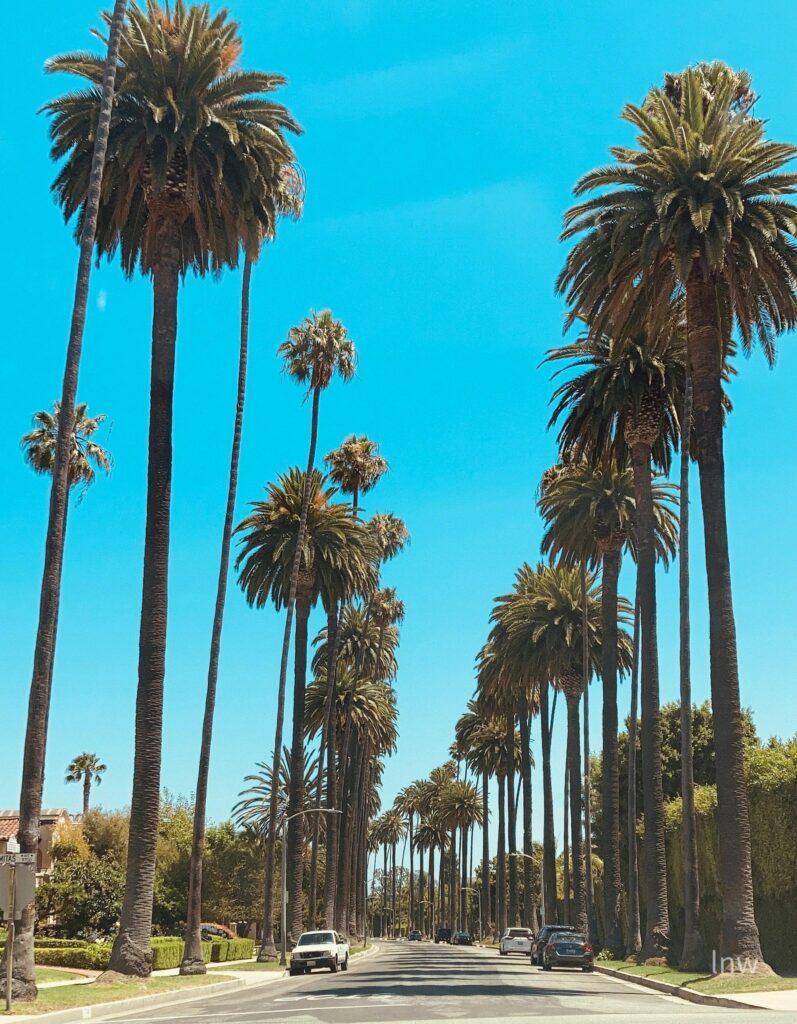
California in 2026: Everything You Wish You Knew Before Booking (Local’s Guide)
So you’re planning a California trip and feeling overwhelmed? You’re not alone. With 840 miles of coastline, 9 national parks, world-famous cities, and microclimates that can swing 40°F in a single day, California isn’t just big—it’s a planning nightmare if you don’t know what you’re doing.
Most first-timers make the same expensive mistakes: booking the wrong region for their trip style, staying in hotels that waste hours of driving time, or trying to cram San Francisco, LA, and Yosemite into 5 days (spoiler: you’ll spend half your vacation stuck in traffic).
This guide fixes that.
What Makes This California Guide Different?
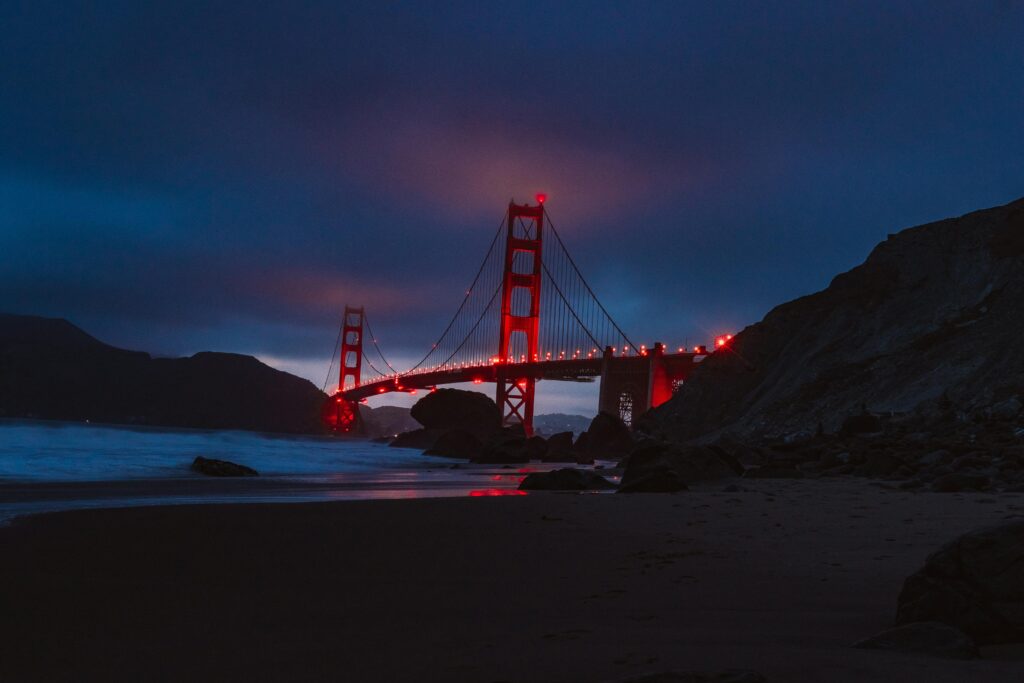
I’ve spent 8 years exploring California across 17 trips, testing routes, burning money on wrong hotels, and figuring out what actually works. This isn’t generic “top 10 things to see” content. Here’s what you’re getting:
✅ Real 2026 prices – Hotel costs, gas, parking, attraction fees (not outdated 2022 estimates)
✅ Traffic-tested routes – Exact drive times including rush hour reality
✅ Tested hotel neighborhoods – I’ve stayed in 23 California hotels across 7 cities
✅ Budget breakdowns – Three complete budgets: $1,200, $2,800, and $6,000 trips
✅ Seasonal insights – Visited in January (rain), June (crowds), and October (perfect)
✅ Mistake-prevention – The 5 planning errors that waste the most time and money
This guide stops you from learning California the expensive way.
Quick Navigation
How Long You Actually Need | Best Regions by Travel Style | When to Visit (Real Talk) | Sample Itineraries | Where to Stay Without Regret | Budget Reality Check | Packing Essentials | FAQ
How Long Do You Actually Need in California?
The honest answer: Most people book too short AND try to see too much. Here’s the reality based on actual travel patterns:
Choose One:
- Los Angeles + nearby beaches
- San Francisco + wine country
- San Diego + La Jolla
- Palm Springs + Joshua Tree
Why this matters: Trying to do “SF and LA in 3 days” means you’ll spend 12+ hours driving and see neither city properly. Pick one, go deep.
This is where California starts making sense.
You can actually:
- Connect 2-3 regions without rushing
- Drive Highway 1 without feeling stressed
- Add a national park day trip
- Have actual beach time vs just “beach photos”
Perfect for: Road trip lovers, photographers, experiencing diverse California without exhaustion.
Now you’re cooking.
Add everything:
- Add Yosemite (3 full days)
- Spend real time in wine country
- Take wilderness day trips
- Explore hidden coastal towns
- Actually relax instead of rushing
Best for: Comprehensive California experience, retirees, extended vacations, seeing it all properly.
California Regions: Pick Your Personality
California has 7 completely different regions. Here’s how to choose without regret.
1. Los Angeles & SoCal Beaches
If you want: Celebrity culture, beaches, nightlife, perfect weather
Skip if: You hate traffic or need wide-open nature
Budget: (Expensive)
Best months: September-November (warmth without summer crowds)
The Reality: Yes, LA has amazing beaches, world-class museums, and incredible food. Yes, traffic is brutal 7-10 AM and 3-7 PM weekdays. No, you won’t see celebrities casually walking around Beverly Hills.
What you’ll actually experience:
- Santa Monica Pier and Venice Beach boardwalk (touristy but iconic)
- Griffith Observatory views (free, worth the drive)
- Pacific Coast Highway to Malibu (stunning drive)
- Hollywood Walk of Fame (15 minutes max, then leave)
- Getty Center or The Broad (world-class art)
Deep dive: Our complete Los Angeles Christmas Experience covers every neighborhood, where to stay based on your plans, and exactly when to drive to avoid wasting hours in traffic.
👉 Book LA hotels: Compare prices on Expedia – Santa Monica from $180/night, West Hollywood from $150/night
👉 Skip lines: Hollywood & Griffith Observatory Tour – Avoid parking nightmares, includes best photo stops
2. San Francisco & Bay Area
If you want: Urban exploring, tech culture, hills, fog, incredible food
Skip if: You need warm beach weather or hate cold/wind
Budget: $$$$ (Most expensive California region)
Best months: September-October (warmest, clearest skies)
The Reality: San Francisco is COLD. Even in July, you’ll need a jacket. The fog rolls in daily. But the food scene, neighborhoods, and culture make it worth it—just pack layers.
What you’ll actually experience:
- Golden Gate Bridge (walk or bike across)
- Alcatraz (book 2-3 months ahead)
- Cable cars (touristy but uniquely SF)
- Mission District murals and tacos
- Chinatown (largest outside Asia)
Pro tip from 6 SF trips: Stay in Union Square or Fisherman’s Wharf for walkability, or Mission District for food and 30% cheaper hotels.
Planning SF? Our detailed 3-day San Francisco itinerary covers neighborhood-by-neighborhood strategy, best dim sum spots locals actually use, and how to use BART without confusion.
👉 Popular experience: Alcatraz Island + Golden Gate Bridge Combo – Sells out 8 weeks ahead in summer
3. Highway 1 & Central Coast
If you want: Scenic drives, photography, romantic getaways, wine tasting
Skip if: You’re on a tight budget (Big Sur hotels are $$$$)
Budget: $$-$$$ (Moderate to expensive)
Best months: April-May, September-October (clear skies, less fog)
The Reality: Highway 1 from San Francisco to LA is 500 miles and takes 10-12 hours of actual driving. You need 2-3 days minimum to do it right, with overnight stops in Monterey/Carmel and San Luis Obispo or Santa Barbara.
Must-stops worth the time:
- Big Sur (Bixby Bridge, McWay Falls)
- Monterey Bay Aquarium ($49.95, worth it)
- Carmel-by-the-Sea (fairy-tale town)
- Santa Barbara (Spanish mission, beaches)
Insider mistake I made: Trying to drive SF to LA in one day. Don’t. You’ll be exhausted, miss everything beautiful, and hate yourself. Split it over 2-3 days.
👉 Book the drive: Big Sur & Monterey Day Tour from SF – If you only have 1 day, let someone else drive
4. Wine Country (Napa & Sonoma)
If you want: Wine tasting, Michelin restaurants, luxury resorts, slow travel
Skip if: You don’t drink wine, traveling with kids, or budget-conscious
Budget: $$$-$$$$ (Luxury category)
Best months: September-October (harvest season, warm weather)
The Reality: Napa is expensive (tastings $40-75/person, hotels $250-500/night). Sonoma is slightly cheaper and more laid-back. Both are stunning and worth it if wine is your thing.
Wine tasting strategy that actually works:
- Book 3-4 wineries max per day (any more and you’re wasted)
- Mix big names (Robert Mondavi) with small family wineries
- Have a designated driver or book a tour
- Eat a big breakfast (tastings hit harder than you think)
👉 Wine Country hotels: Book Napa Valley on Expedia – Yountville and St. Helena have best restaurant access
👉 Best-selling tour: Napa Valley Wine Tour with Lunch – 3 wineries, gourmet meal, no driving
5. Yosemite & National Parks
If you want: Hiking, nature photography, camping, wilderness
Skip if: You prefer cities, nightlife, or need luxury amenities
Budget: $ (Cheap if camping, $$$ if staying in park lodges)
Best months: May-June (waterfalls peak), September (fall colors, fewer crowds)
The Reality: Yosemite requires advance planning now. Entry reservations needed May-September. Popular trails fill at sunrise. Park lodges book 12+ months ahead. It’s worth the hassle.
What makes Yosemite incredible:
- Half Dome and El Capitan granite cliffs
- Yosemite Falls (2,425 feet, North America’s tallest)
- Giant sequoia groves
- Glacier Point sunset views
- Wildlife (black bears, deer, bobcats)
Mistake I see constantly: People book 1 day in Yosemite. That’s barely enough to see the valley. Give it 2-3 days minimum or don’t bother—the drive is 4+ hours from San Francisco.
👉 Skip the driving stress: Yosemite Full-Day Tour from San Francisco – Includes park entry, guide, and major viewpoints
6. Lake Tahoe & Sierra Nevada
If you want: Skiing, snowboarding, lake activities, mountain hiking
Skip if: You avoid cold weather or outdoor sports
Budget: $$-$$$ (Expensive in winter ski season)
Best months: December-March (skiing), July-September (lake activities)
Winter vs Summer Tahoe:
- Winter: World-class skiing, casinos, snow sports (crowded holidays)
- Summer: Crystal-clear lake, kayaking, hiking, beaches (warmest water Sept-Oct)
North vs South Lake: North is quieter and family-friendly. South has casinos, nightlife, and Heavenly ski resort. Pick based on your vibe.
7. Palm Springs & Joshua Tree Desert
If you want: Mid-century modern design, hiking, art, warmth in winter
Skip if: You hate heat or need ocean access
Budget: $-$$ (Affordable, especially summer)
Best months: November-March (pleasant 70s-80s; summer is 110°F+)
Why Palm Springs is having a moment:
- Mid-century architecture (Instagram gold)
- Coachella nearby (April music festival)
- Hiking (Indian Canyons)
- Joshua Tree National Park (1 hour away)
Joshua Tree reality: Best October-April. Summer is dangerously hot. Sunrise and sunset are magic hours. Bring 2x as much water as you think you need.
When to Actually Visit California (Month-by-Month Reality)
Spring (March-May) ⭐ BEST OVERALL
Why April-May is perfect:
- 65-75°F statewide (comfortable everywhere)
- Wildflowers blooming (desert, hillsides)
- National parks accessible (snow melting)
- Hotel prices 30% cheaper than summer
- Crowds manageable (avoid spring break weeks)
Where to go:
- Desert areas March (Joshua Tree, Death Valley before it gets deadly hot)
- Central Coast April-May (wildflowers, whales)
- Yosemite May-June (waterfalls at peak flow)
What to expect: Mornings can be chilly (50s), afternoons perfect (70s). Pack layers. Some rain possible but nothing like winter.
Compare with other spring destinations: Spring is also ideal for Miami – perfect if you’re planning a California + Florida combo trip.
👉 Spring hotel savings: Book on Expedia 2-3 months ahead for 20-40% off summer prices
Summer (June-August) – Peak Season
The good:
- Warmest beach weather (finally!)
- Longest days (sunset 8-9 PM)
- All parks fully accessible
- Most festivals and events
The bad:
- Crowds EVERYWHERE (beaches, parks, cities)
- Prices 40-60% higher than off-season
- Traffic significantly worse (especially weekends)
- “June Gloom” (coastal fog through mid-June)
- Inland areas brutally hot (100-115°F)
Money-saving hack: Visit late June or early July (after school ends, before July 4 peak). You get summer weather with slightly smaller crowds.
What summer costs in 2026:
- LA beach hotels: $250-450/night (vs $150-280 off-season)
- Yosemite lodges: Sold out (book 12 months ahead)
- Rental cars: $80-150/day (vs $40-80 off-season)
👉 Beat the crowds: Early Morning Yosemite Photo Tour – See popular spots before tour buses arrive
Fall (September-November) ⭐ BEST VALUE
Why September-October is California’s secret:
- Best weather of the year (warm, dry, clear)
- Ocean water warmest (rare warm Pacific!)
- Crowds drop after Labor Day
- Prices 30-40% lower than summer
- Wine country harvest season
- National parks perfect temperature
What I wish I’d known earlier: September-October beats summer in every way except June-August is school vacation. If you don’t have kids, always pick fall.
Watch out for:
- Wildfire season (check air quality at AirNow.gov)
- Some things close after Labor Day (seasonal beach restaurants)
Fall California costs:
- Mid-range hotels: $120-200/night
- Rental cars: $40-70/day
- Attractions: Same price, shorter lines
👉 Fall activities: Highway 1 Coastal Drive Tour – Perfect weather for the most scenic drive in America
Winter (December-February) – Cheapest & Coldest
When winter works:
- Skiing: Lake Tahoe, Mammoth Mountain (December-March)
- Desert: Palm Springs, Joshua Tree (perfect 70s weather)
- Whale watching: Gray whales migrate (December-April)
- Budget travel: Lowest hotel prices all year
When winter sucks:
- Beaches: Ocean is 55°F (too cold for swimming)
- Rain: Northern California gets soaked (Nov-March)
- Yosemite: Roads closed, limited access (check before booking)
- Shorter days: Sunset by 5 PM
Winter California costs:
- Hotels: 40-60% off summer (except Christmas week)
- Ski resorts: Most expensive season
- Rental cars: Cheapest rates
Sample California Itineraries (Tested Routes)
3-Day Los Angeles Weekend
📋 Full Itinerary Details
Get complete 3-day Los Angeles itinerary with traffic timing, parking strategies, and neighborhood-specific hotel picks.
Read the Complete LA Guide →🏨 Book Your LA Stay
Compare hotels on Expedia for the best rates.
👉 Book LA stay: Compare hotels on Expedia – Santa Monica for beaches, West Hollywood for central location
California Road Trip Itineraries
Classic routes tested and optimized for maximum experience, minimal stress
San Francisco to LA Road Trip
- Golden Gate Bridge, Alcatraz, Fisherman’s Wharf
- Cable cars, Mission District tacos
- Ferry Building, Chinatown
- Drive Highway 1 south (3 hours)
- Monterey Bay Aquarium
- Cannery Row + 17-Mile Drive
- Bixby Bridge sunrise
- McWay Falls, Julia Pfeiffer Burns State Park
- Multiple scenic pull-out stops
- Mission, State Street shopping
- Wine tasting
- Beach time
- Arrive afternoon, beach sunset
- Follow condensed 3-day LA itinerary
- Hollywood, beaches, culture
🚗 Driving Stats
Tested timing: This route works without feeling rushed. Adding Yosemite requires cutting Santa Barbara or adding 2 days.
California + Yosemite
- Explore the city fully
- Golden Gate, Alcatraz, neighborhoods
- Drive 4 hours from SF
- Glacier Point, Half Dome view, Yosemite Falls
- Hiking, photography, wildlife watching
- Camp or stay in park lodges (book early!)
- Monterey Bay Aquarium
- Carmel-by-the-Sea charm
- 17-Mile Drive
- Bixby Bridge, McWay Falls
- Coastal pull-outs and short hikes
- Mission, beaches, wine
- Beaches, Hollywood, culture
- Condensed highlights
Why this works: Yosemite gets 3 full days (worth it). Coast portion is slightly rushed but you hit all major spots.
Best months: May-June (waterfalls at peak) or September (fall colors, no crowds)
If you only have 1 Yosemite day, this maximizes it
Where to Stay in California (Learned the Expensive Way)
Los Angeles: Neighborhood Strategy
Santa Monica (Where I recommend first-timers stay)
- Pros: Beach access, walkable, safe, great restaurants
- Cons: Pricey ($180-400/night), 30-45 min to Hollywood
- Best for: Beach lovers, families, people who want California vibes
West Hollywood
- Pros: Central to everything, walkable Sunset Strip, nightlife
- Cons: Can be loud, parking expensive
- Best for: Young travelers, foodies, nightlife seekers
Downtown LA
- Pros: Museums, culture, cheaper ($120-250/night)
- Cons: Not near beaches, some areas sketchy at night
- Best for: Budget travelers, museum/art focus
Avoid: Hollywood itself (gritty, disappointing), LAX area (just airport hotels)
My LA hotel mistakes:
- Stayed in Hollywood thinking it’s glamorous (it’s not, it’s dirty)
- Booked cheap hotel in Pasadena (45 min from everything)
- Didn’t check parking costs (one hotel charged $65/night!)
Learn from me: Read the complete LA neighborhood guide before booking.
👉 Book LA hotels: Compare on Expedia – Filter by neighborhood, read recent reviews
San Francisco: Where Tourists Get It Wrong
Union Square (Most convenient)
- Pros: Central, cable cars, walkable to most attractions
- Cons: Touristy, expensive ($200-400/night)
- Best for: First-timers who want easy access
Fisherman’s Wharf
- Pros: Family-friendly, attractions, waterfront
- Cons: Very touristy, restaurants overpriced
- Best for: Families with kids
Mission District
- Pros: Local vibe, incredible food, 30% cheaper
- Cons: Grittier, need Uber to some attractions
- Best for: Foodies, budget travelers, millennials
Avoid: Tenderloin (unsafe, drug problems), far Sunset District (too far from stuff)
SF insider tip: The city is 7×7 miles. Everywhere is close IF you understand Muni/BART. A Mission District hotel saves $80/night.
SF details: Our San Francisco guide’s accommodation section breaks down all neighborhoods with safety ratings and transit access.
Wine Country: Splurge vs Budget
Napa Valley (Luxury)
- Yountville: Michelin restaurant row ($350-600/night)
- St. Helena: Charming downtown ($250-450/night)
- Calistoga: Hot springs, more affordable ($180-350/night)
Sonoma (Slightly Cheaper)
- Healdsburg: Upscale but less pretentious ($220-400/night)
- Sonoma town: Historic plaza, walkable ($180-300/night)
Wine country reality: Hotels are expensive everywhere. Book 3-6 months ahead. Consider Airbnb with friends (split $400 = $100 each).
👉 Wine Country lodging: Browse Napa Valley hotels on Expedia – Sort by amenities (spa, pool, breakfast)
Big Sur: The Hotel Booking Nightmare
The problem: Limited hotels, insane demand, book 3-6 months ahead for summer/fall.
Best Big Sur hotels:
- Ventana Big Sur ($800-1,200/night) – Luxury, incredible views
- Alila Ventana ($600-1,000/night) – Japanese-inspired
- Glen Oaks ($250-400/night) – Mid-range, modern
- Deetjen’s Big Sur Inn ($180-280/night) – Character, rustic
Budget alternative: Stay in Monterey or San Luis Obispo, drive Big Sur as day trip (1.5-2 hours each way).
What I did: Couldn’t get Big Sur hotel, stayed Cambria (45 min south). Drove Big Sur next morning (less traffic), perfect.
Money-Saving Hotel Strategies That Work
1. Location arbitrage: Stay inland, drive to coast daily
- Example: Stay Culver City vs Santa Monica (save $80/night, 20 min drive)
2. Day-of-week pricing: Tuesday-Thursday is 30-40% cheaper than Fri-Sun
3. Shoulder season: May and September-October are 30-50% off vs July-August
4. Set alerts: Hotel prices fluctuate daily on Expedia and Booking
👉 Compare and save: Check California hotels on Expedia – Set price alerts for your dates
California Budget Reality Check (2026 Prices)
Budget Trip: $1,200-1,800 per person (7 days)
Accommodation: $350-500
- Hostels: $40-60/night
- Budget motels: $70-90/night
- Camping: $25-40/night
Food: $280-400
- Breakfast: Groceries ($5-10)
- Lunch: Food trucks, casual ($12-18)
- Dinner: Ethnic restaurants ($15-25)
- Daily: $40-60
Transportation: $250-350
- Rental car split with friend: $180-250
- Gas: $70-100
- Parking: free street parking
Activities: $200-350
- Beach/hiking: Free
- National parks: $30-35 per vehicle
- 1-2 paid museums: $20-50 each
- One tour: $75-150
Total: $1,200-1,800
How to do this:
- Camp or hostels
- Cook breakfast, pack lunch, eat cheap dinners
- Free activities (beaches, hiking, Griffith Observatory)
- Skip wine tastings ($40-75 each)
- Travel September-October (cheapest)
Mid-Range Trip: $2,600-3,800 per person (7 days)
Accommodation: $900-1,400
- 3-star hotels: $130-200/night
- Nice Airbnbs: $150-220/night
Food: $550-800
- Breakfast: Hotel or cafe ($15-25)
- Lunch: Sit-down casual ($20-35)
- Dinner: Mix of casual/nice ($35-75)
- Drinks/coffee: $20-30/day
- Daily: $80-115
Transportation: $500-750
- Rental car: $350-500 (7 days)
- Gas: $100-150
- Parking: $50-100
- Optional short flight: $100-200
Activities: $500-750
- Wine tastings: $120-200 (3 wineries)
- Paid attractions: $200-300
- Tours: $150-250
- National parks: $35
Entertainment: $250-350
- Bars, concerts, events
Total: $2,600-3,800
What you get:
- Comfortable hotels in good locations
- All major attractions
- Wine country experience
- Mix of casual and nice dining
- Flexibility to splurge sometimes
👉 Save with packages: California vacation bundles on Expedia – Flight + hotel + car deals
Luxury Trip: $5,500-8,500+ per person (7 days)
Accommodation: $2,100-3,500
- 4-5 star hotels: $300-500/night
- Luxury resorts: $400-700/night
Food: $1,400-2,500
- Michelin restaurants: Multiple
- Wine tastings: Premium ($75-150 each)
- Fine dining: $100-250/person per dinner
- Daily: $200-350
Transportation: $900-1,500
- Premium rental (SUV): $600-900
- Valet parking everywhere: $200-400
- Optional private driver: $300-500
- Flights between cities: $200-400
Activities: $1,200-2,000
- Private wine tour: $400-700
- Helicopter tour: $300-500
- Spa treatments: $200-400
- VIP experiences: $300-700
Total: $5,500-8,500+
Luxury experiences:
- Stay at Ventana Big Sur cliff-side resort
- Hot air balloon over Napa Valley
- Private chef at wine country villa
- Helicopter from LA to wine country
- Suite at The Ritz-Carlton San Francisco
👉 Luxury tours: Private California Wine Country Experience – Customized itinerary, personal guide, premium tastings
Hidden Costs Everyone Forgets
Parking: $15-50/day in cities (add $200-350/week)
Sales tax: 7.25-10% added to everything
Hotel resort fees: $25-45/night (not included in quoted price)
Gas: $4-6/gallon (full tank costs $60-100)
Tips: 18-20% restaurants, $2-5 valet, $20-30 tour guides
Budget buffer: Add 25% to your estimate for unexpected costs.
What to Pack for California (Learned Through Mistakes)
Essential Items – Year Round
✅ Layers, layers, layers – Temperature swings 20-40°F daily
✅ Reef-safe sunscreen SPF 50+ – California sun is strong, even through fog
✅ Comfortable broken-in walking shoes – You’ll walk 5-8 miles daily
✅ Reusable water bottle – Stay hydrated, save money ($4 bottles add up)
✅ Light jacket – Even summer nights get cool (55-65°F)
✅ Sunglasses – Essential for driving and beach
✅ Portable phone charger – GPS drains battery fast
👉 California packing essentials:
- Reef-safe sunscreen – Protecting California marine life
- Insulated water bottle – Keeps drinks cold 24 hours
- Portable 20,000mAh charger – Charge phone 5-6 times
- Packable down jacket – Weighs nothing, saves you at night
- Comfortable walking shoes – Broken in BEFORE your trip
Beach Essentials
✅ Multiple swimsuits – One dries while wearing the other
✅ Quick-dry beach towel – Regular towels stay damp and heavy
✅ Waterproof phone pouch – Ocean + expensive phone = bad combo
✅ Beach bag – For carrying everything
✅ Flip-flops – Hot sand, showers, casual dining
👉 Beach gear:
- Waterproof phone case – Floats if dropped, take underwater photos
- Quick-dry microfiber towel – Packs small, dries fast
- Large beach bag – Fits towels, sunscreen, snacks, everything
Hiking/National Park Gear
✅ Daypack 20-30L – For water, snacks, layers
✅ Hiking boots or trail runners – Broken in before trip!
✅ First aid kit – Blisters happen
✅ Insect repellent – Mosquitoes in Yosemite
✅ Headlamp – If hiking early/late
✅ Bear spray – If backpacking (optional for day hikes)
👉 Hiking essentials:
- Osprey Daypack 25L – Perfect size, comfortable, durable
- Hiking boots – Waterproof, ankle support, grippy sole
- Compact first aid kit – Blisters, cuts, pain relief
- Headlamp 300+ lumens – Hands-free, rechargeable
What NOT to Pack (Space Wasters)
❌ Umbrella – California rain jackets work better in wind
❌ Formal wear – California is casual everywhere except 5-star restaurants
❌ Heavy winter coat – Unless skiing, a layered system works better
❌ Hair dryer – Hotels provide them
❌ Guidebooks – This guide + your phone is enough
Frequently Asked Questions
How much does a California trip really cost?
A 7-day California trip costs $1,200-1,800 per person (budget), $2,600-3,800 (mid-range), or $5,500-8,500+ (luxury). The biggest variables are accommodation ($40-500/night), dining ($35-250/day), and whether you rent a car ($40-150/day). Visiting in shoulder season (May or September-October) cuts costs 30-40% compared to peak summer.
Do you actually need a rental car in California?
Yes, for 90% of California trips. The state is massive (800+ miles end to end), and public transit doesn’t connect most tourist areas. Only exception: staying exclusively in downtown San Francisco where BART/Muni work well. For road trips, national parks, wine country, beaches, or multi-city visits, a car is essential. Budget $40-150/day depending on vehicle type and season.
What’s the best time to visit California for weather?
April-May (spring) and September-October (fall) offer the best combination of weather, manageable crowds, and reasonable prices. Summer (June-August) has warmest beach weather but brutal crowds and 40-60% higher prices. Winter (December-February) is cheapest but brings rain to Northern California and cold ocean temperatures. For first-timers, September-October is the sweet spot—warm, dry, and less crowded.
How many days do you need in California?
Minimum 3-5 days for one region done properly (just LA, just SF, or just wine country). 7-10 days is the sweet spot for a classic road trip combining 2-3 regions (SF to LA via Highway 1, or SoCal beaches loop). 10-14 days allows adding Yosemite or deeper exploration. Under 3 days, pick one city and go deep rather than rushing multiple places.
Can you do San Francisco and Los Angeles in one trip?
Yes, but you need minimum 6-7 days to do both justice. The drive is 6-8 hours direct (I-5) or 10-12 hours scenic (Highway 1). Most people underestimate this distance and end up exhausted. Best approach: Fly into SF, spend 2-3 days, drive Highway 1 over 2 days (stopping Monterey/Big Sur), spend 2-3 days in LA, fly home from LAX.
Is California safe for tourists?
Yes, California is generally safe for tourists in popular areas (beaches, national parks, tourist districts). Exercise normal city awareness: don’t leave valuables visible in cars (smash-and-grabs are common in SF and LA), avoid walking alone late at night in unfamiliar areas, and research specific neighborhoods. Skip Skid Row (Downtown LA), Tenderloin (SF), and Oakland at night. Beach cities, wine country, and national parks are very safe.
What’s the difference between Northern and Southern California?
Northern California (NorCal) centers on San Francisco, Silicon Valley, wine country, and redwood forests. It’s cooler (50-70°F), foggier, more liberal, tech-focused, and nature-oriented. Southern California (SoCal) centers on Los Angeles and San Diego with year-round sunshine (70-85°F), beaches, entertainment industry, and desert landscapes. The cultures, politics, weather, and vibes are completely different—they might as well be separate states.
Should first-time visitors start with LA or San Francisco?
Depends on your travel style. Choose LA if: You want beaches, warm weather, Hollywood glamour, diverse food scene, and don’t mind traffic. Choose SF if: You prefer walkable cities, cooler weather, tech culture, wine country access, and better public transit. For first-timers who want “classic California,” SF + Highway 1 drive to LA combines both and shows the state’s diversity.
The 5 California Mistakes That Cost You Time & Money
Mistake #1: Trying to “Do It All” in One Trip
What happens: You book SF, Yosemite, LA, and San Diego in 7 days. You spend 20+ hours driving, see nothing properly, and come home exhausted.
Fix: Pick 2-3 regions maximum. Go deep, not wide. California rewards focused trips.
Mistake #2: Underestimating Distances & Traffic
What happens: You think “LA to San Diego is only 120 miles, easy 2-hour drive.” Friday at 5 PM it takes 4 hours. You miss your dinner reservation.
Fix: Add 50% buffer to Google Maps time estimates during rush hours (7-10 AM, 3-7 PM weekdays). Use Waze for real-time routing.
Detailed timing: Our LA guide’s transportation section has specific timing for every major route.
Mistake #3: Booking Hotels in Wrong Neighborhoods
What happens: You book cheap hotel in Pasadena to “save money visiting LA.” You spend 3 hours daily driving to/from beaches and attractions. You wasted more on gas and time than you saved.
Fix: Pay $50-80 more per night for the right location. Calculate total cost (hotel + driving + wasted time).
Mistake #4: Not Booking Key Things in Advance
What happens: You arrive at Alcatraz or Yosemite—”sorry, sold out for next month.”
Fix: Book these 2-3 months ahead:
- Alcatraz tickets (sells out 8-12 weeks in summer)
- Yosemite lodging (12+ months for park hotels)
- Yosemite entry reservations (May-September)
- Big Sur hotels (3-6 months ahead)
- Popular restaurant reservations (2-4 weeks)
Mistake #5: Packing for One Climate
What happens: You packed for “California sunshine,” brought shorts and t-shirts. San Francisco in July is 58°F and foggy. You’re freezing.
Fix: California has 5 climate zones in one state. Always pack layers, even summer. Morning can be 50°F, afternoon 85°F, evening 65°F—same day.
California Travel Tips (From 17 Trips)
Traffic Reality No One Tells You
LA rush hours: 7-10 AM, 3-7 PM weekdays = add 100% to drive time
Friday afternoons: Entire state exits cities 2-8 PM = worst traffic of week
Sunday evenings: Returns to cities 3-8 PM = Highway 1 crawls
Holiday weekends: Start Friday at noon, return Monday = avoid or suffer
Pro move: Drive early (before 7 AM) or late (after 8 PM) for empty highways.
Microclimates Are Extreme
Same day examples I’ve experienced:
- 58°F foggy San Francisco morning → 95°F Napa afternoon
- 70°F Santa Monica beach → 105°F San Fernando Valley (20 miles away)
- 85°F Yosemite valley → 45°F Glacier Point (45 min drive)
Always bring: Layers, jacket, long pants—even if forecast says “sunny and 80°F.”
Ocean Water is COLD (Don’t Expect Florida)
Pacific Ocean temperature: 55-65°F year-round (warmest Sept-Oct)
Translation: Most people don’t swim without wetsuits. Beaches are for sunbathing, volleyball, surfing (with wetsuit). If you want warm swimming, pools only.
Compare: Miami beaches have 78-85°F water year-round—completely different experience.
Restaurant Reservations Are Mandatory
Book 2-4 weeks ahead for:
- Any Michelin-starred restaurant
- French Laundry (Napa) – 2 months ahead
- Bestia (LA) – 3-4 weeks
- State Bird Provisions (SF) – 2-3 weeks
- Popular weekend brunch spots
Walk-in strategy: Tuesday-Wednesday lunch = easier without reservations
California Tipping Culture
Standard 2026 rates:
- Restaurants: 18-20% (20% is new normal)
- Bars: $1-2 per drink
- Valet: $3-5
- Hotel housekeeping: $5/day
- Tour guides: $10-20 per person
- Uber/Lyft: 15-20%
Note: Many restaurants auto-add 20% service charge for groups 6+. Check bill before adding tip.
Wildfire Season Reality
Peak season: August-October
What to do:
- Check air quality daily: AirNow.gov
- Have flexible plans (smoke can close parks)
- N95 masks help with smoke
- Most tourist areas aren’t in fire zones
- Smoke impacts air quality 100+ miles away
2026 note: Wildfires are becoming more common. Insurance for rentals/hotels recommended.
Learn to Speak California
“The 5” not “I-5” – Highways get “the” (The 405, The 101)
“Hella” = very/really (Northern California only)
“Stoked” = excited/happy
“PCH” = Pacific Coast Highway (say the letters)
“Sig Alert” = major traffic accident/closure
“May Gray / June Gloom” = coastal fog (not actually rain)
“SoCal/NorCal” = Southern/Northern California (locals use these)
Final Thoughts: California Isn’t a Checklist
Here’s what 17 California trips taught me: The best moments weren’t the Instagram spots everyone told me to see. They were:
- Stumbling on a perfect taqueria in a strip mall
- Watching fog roll over the Golden Gate Bridge at sunrise
- That random beach pullout on Highway 1 with zero other people
- A Napa winery the Uber driver recommended (not the famous ones)
- Watching a bear casually walk across the Yosemite Valley trail
California rewards curiosity, not checklists.
The people who have the best trips aren’t the ones who see the most attractions. They’re the ones who pick a region, go slow, talk to locals, take wrong turns, and let the state surprise them.
One Last Thing Before You Book ✈️
Don’t try to see all of California in one trip. You can’t. Even locals haven’t seen it all. Pick your region based on what matters to you (beaches vs nature vs wine vs cities), book hotels in the right neighborhoods, pad your schedule with extra time, and leave room for spontaneity.
California isn’t going anywhere. And after your first trip, you’ll already be planning your return.
Ready to start planning your California adventure?
👉 Book hotels: Compare California hotels on Expedia – Best rates 2-3 months ahead
👉 Book experiences: Browse top California tours on GetYourGuide – Skip lines, local guides included
👉 Packing essentials: California travel gear on Amazon – Tested recommendations
Dive deeper into California cities:
- 3 Days in Los Angeles: Complete Guide – Neighborhoods, traffic strategy, tested routes
- 3 Days in San Francisco: Local’s Itinerary – Hills, fog, avoiding tourist traps
Planning other incredible US destinations?
- 3 Days in Miami: Perfect First-Time Trip – Beach culture, Cuban food, Art Deco
- Everglades Day Trip from Miami – Airboats, alligators, nature escape
This site contains affiliate links to Expedia, GetYourGuide, and Amazon. We earn small commissions when you book through our links at no extra cost to you. These commissions help us keep creating detailed, tested travel guides. We only recommend services and products we’ve personally used and trust.